How the job runs
- 1Identifyscratch-test the pipe where it enters the basement; lead is soft, dull grey and shiny when scratched
- 2Coordinatecheck the City of Toronto program for replacing the city-owned portion
- 3Permits and locatesarrange the right permits and utility locates before digging
- 4Replaceinstall new copper or approved plastic from the property line to the meter
- 5Flush and testflush the line thoroughly and restore service
01How to tell
Look where the water pipe comes through the basement wall, before the meter. Lead pipe is dull grey, soft enough to scratch easily with a key, does not attract a magnet and often has a bulging joint. Copper is orange-brown. Galvanized steel is grey too, but it is hard and a magnet sticks to it.
Still unsure? A plumber can tell in seconds.
| Most likely in | Homes built before the mid-1950s |
|---|---|
| City program | Toronto has offered to replace the public portion; check current terms |
| Interim step | Flush taps before drinking and use a certified filter |
02Splitting the work
Toronto owns the stretch of service pipe under public land and has run a program to replace lead there, often in coordination with homeowners replacing their side. Check the city website for current terms.
03Doing your side
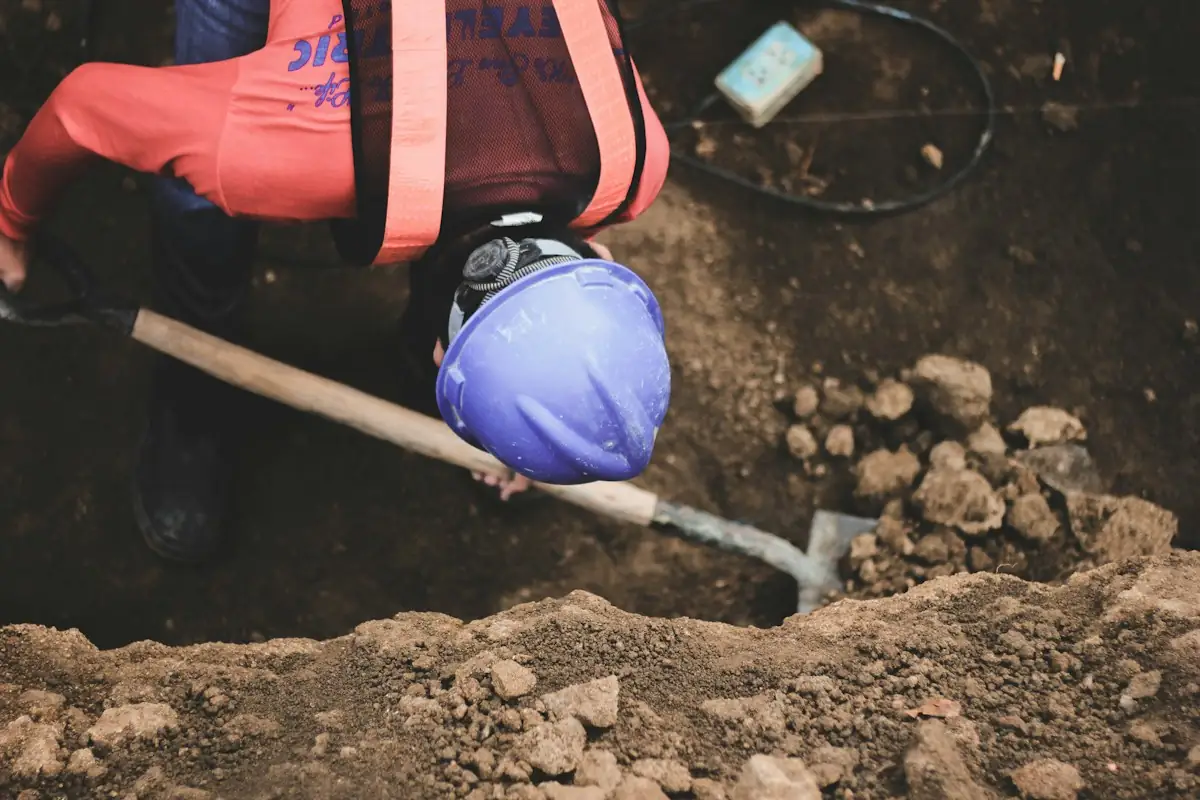
We dig at the foundation or tunnel under the lawn to replace the private portion, then connect a new main shut-off. It often makes sense to upgrade the size of the line at the same time.
04Timing
Book early in the season.