First hours
- 1Safetydo not enter water that may touch electrical outlets or equipment
- 2Stop the sourceshut water or stop using drains
- 3Documenttake pictures of every wet item where it lies
- 4Phone the insurance companyreport the claim and ask about cleanup
- 5Call a plumberfind and fix the cause
01Safety first
Floodwater around a furnace, water heater or electrical panel is dangerous. Where water reaches outlets or the breaker panel, stay out and call the electrical utility or an electrician. Sewage is a health hazard; wear gloves and boots.
If you smell gas, leave and call the gas utility.
02Evidence for the insurer
Photograph the water level, the source if visible, and damaged items. Keep receipts. Insurers often ask whether a backwater valve or sump pump was installed.
03Finding the cause
Clear water usually means a supply leak or groundwater. Dirty water from the floor drain means the sewer. The plumber traces the cause before recommending repairs.
04Drying out
Drywall, insulation and carpet that soaked in sewage usually need to be removed. Clean water damage can sometimes be dried. A restoration company can advise.
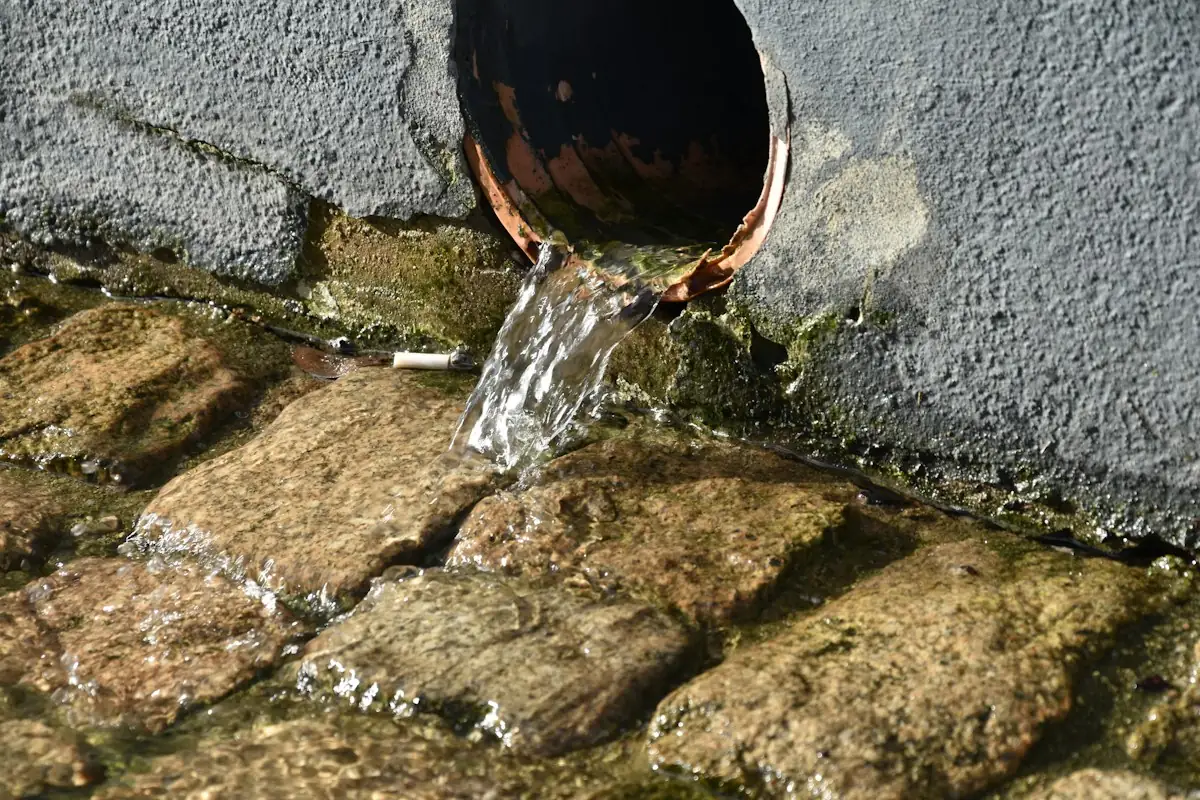
05Stopping the repeat
Once the floor is dry and the cause is known, the question becomes prevention. For a sewer surcharge, that means a backwater valve on the main and, in many older homes, cutting the foundation drains loose from the sanitary line. For groundwater, it means a working sump with a check valve and a discharge that throws water well past the flower beds. For a failed tank or a split washer hose, it means replacing the part and adding a leak sensor or a drip pan with a drain. We write the recommendation on the job sheet so you have it in hand when the insurer asks what has changed since the last claim.